
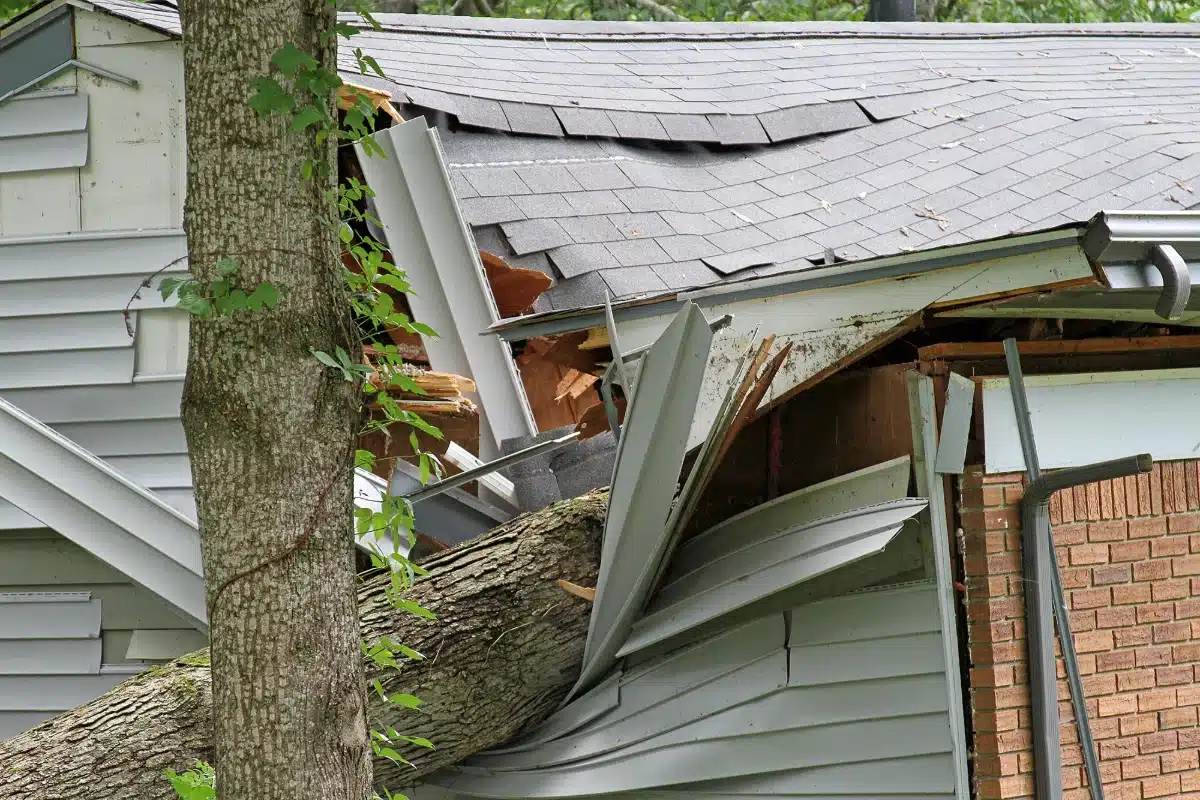
Summer storms can develop quickly and leave homeowners dealing with flooding, roof leaks, fallen trees, broken windows, and costly repairs. Across Canada, severe summer weather events — including thunderstorms, hail, tornadoes, lightning, and heavy rain — are becoming more frequent and more intense.
While severe weather cannot be prevented, homeowners can take steps to reduce damage, improve safety, and prepare for faster recovery after a storm.
Here are 10 important summer storm preparedness tips to help protect your home and family before, during, and after severe weather.
1. Secure Outdoor Furniture and Loose Items
Patio furniture, planters, garbage bins, BBQs, umbrellas, and yard décor can quickly become dangerous flying debris during strong winds.
Before a storm arrives:
- Bring lightweight items indoors
- Secure larger outdoor equipment
- Trim loose tree branches where possible
Flying debris is one of the most common causes of storm-related property damage.
2. Inspect Your Roof for Damage
Your roof is one of the most vulnerable parts of your home during severe weather.
Check for:
- Missing or curling shingles
- Loose flashing
- Soft spots
- Visible leaks
- Blocked roof drainage
Even small roofing issues can allow water intrusion during heavy rainstorms.
3. Clean Gutters and Downspouts
Clogged gutters can cause rainwater to overflow and pool around your home’s foundation.
Proper drainage helps reduce the risk of:
- Basement flooding
- Roof leaks
- Foundation damage
- Water intrusion
Regular gutter maintenance is especially important during summer storm season.
4. Protect Windows and Doors
High winds and hail can damage windows and entry points quickly.
Before severe weather:
- Close and lock all windows
- Secure exterior doors
- Consider storm shutters or reinforced glass protection in high-risk areas
Window coverings can also help reduce flying glass hazards if windows break during a storm.
5. Prepare for Power Outages
Summer storms often cause power disruptions due to lightning strikes and fallen power lines.
Keep an emergency kit stocked with:
- Flashlights
- Batteries
- Portable phone chargers
- Bottled water
- First aid supplies
- Non-perishable food
It’s also a good idea to unplug sensitive electronics during severe lightning storms to help avoid power surge damage.
6. Watch for Signs of Severe Weather
Recognizing weather warning signs early can help homeowners respond faster and stay safe.
Signs of severe storms may include:
- Dark green or black skies
- Large hail
- Sudden strong winds
- Frequent lightning
- Funnel clouds
- Loud roaring sounds similar to a train
During summer months, weather conditions can change rapidly, especially during afternoons and evenings.
7. Check Your Home Insurance Coverage
Many homeowners only review their insurance policies after damage occurs.
Before storm season, confirm your coverage for:
- Wind damage
- water damage
- Sewer backup
- Flooding
- Temporary accommodations
Understanding your policy ahead of time can help reduce stress during recovery.
8. Document Damage After the Storm
After severe weather passes, safely inspect your property and document any visible damage.
Take photos and videos of:
- Roof damage
- Broken windows
- Flooding
- Fallen trees
- Damaged belongings
- Exterior structural damage
Proper documentation can help support insurance claims and restoration planning.
9. Watch for Hidden Water Damage
Water damage is not always immediately visible after a storm.
Common warning signs include:
- Musty odours
- Ceiling stains
- Damp drywall
- Bubbling paint
- Warped flooring
- Visible mould
Moisture trapped behind walls or under flooring can continue spreading long after the storm ends.
10. Act Quickly to Prevent Further Damage
One of the biggest mistakes homeowners make after storm damage is waiting too long to begin cleanup and drying.
Water damage can worsen within hours and may lead to mould growth in as little as 24 to 48 hours under the right conditions.
Professional restoration teams can help:
- Remove standing water
- Dry affected materials
- Detect hidden moisture
- Prevent mould growth
- Restore salvageable contents
- Repair structural damage safely
Fast action can help reduce long-term repair costs and protect your home from further damage.
Concerned About Storm Damage to Your Home?
FIRST ONSITE provides 24/7 emergency response and professional storm damage restoration services for homeowners across Canada.
Share This:


 BOLT™ Login