
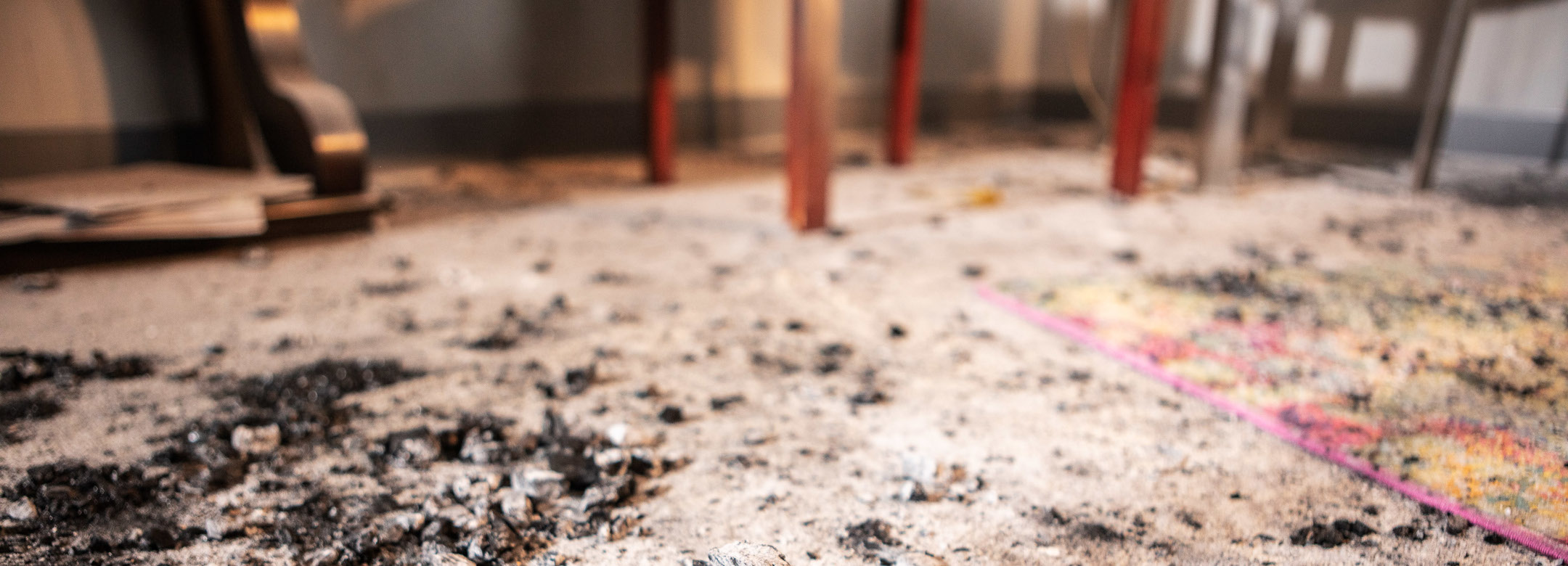
Fire and Smoke Damage: What Every Commercial Property Owner Should Know
Il n'est pas surprenant que les incendies puissent causer de graves dommages à une propriété commerciale ou résidentielle. Et si la première étape consiste à éteindre le feu, de nombreux propriétaires ne sont pas préparés à la suite des événements. En fait, les dommages causés par le feu et la fumée peuvent prendre de nombreuses formes. Mais il peut être difficile de savoir quoi faire en premier, qui appeler et comment commencer le processus de réparation et de restauration.
Que doit donc savoir le propriétaire d'un bien immobilier sur les dommages causés par le feu et la fumée pour protéger son bien et s'assurer qu'il sera remis en état de marche le plus rapidement possible?
Fire Damage – What Is It and What Causes It?
In most cases, the definition of fire damage is pretty self-explanatory. Fire damage involves anything that is damaged as a result of heat and flames. This includes any substances, equipment or infrastructure flames may have come in contact with during a fire. Heat can also cause significant damage to a structure and can even damage neighboring properties if they are close enough.
However, the cause of a fire may not be as easy to identify. It might be something as obvious as a spark or ember from an existing fire, an open heat source that has been left unattended or an electrical or equipment malfunction. But it could also be something less obvious like oily rags left on the floor of a garage or even arson.
What Is Considered Smoke Damage?
There’s an old saying: “Where there’s smoke, there’s fire.” At the same time, smoke damage from fire can just as easily occur without an actual fire taking place.
Smoke damage can occur with something as minimal as a puff of smoke from a malfunctioning electrical system, piece of industrial equipment or overcooked bag of microwave popcorn to something as significant as a full-on fire. Smoke damage can even result from a far off blaze, like when wind pushes wildfire smoke into communities many miles away.
To put it simply, there is no one-size-fits-all scientific definition of what is considered smoke damage. But if smoke is in the air to the point where a person can smell it, then there is a good chance smoke damage has occurred.
Partager ceci :


 BOLT™ Connexion