
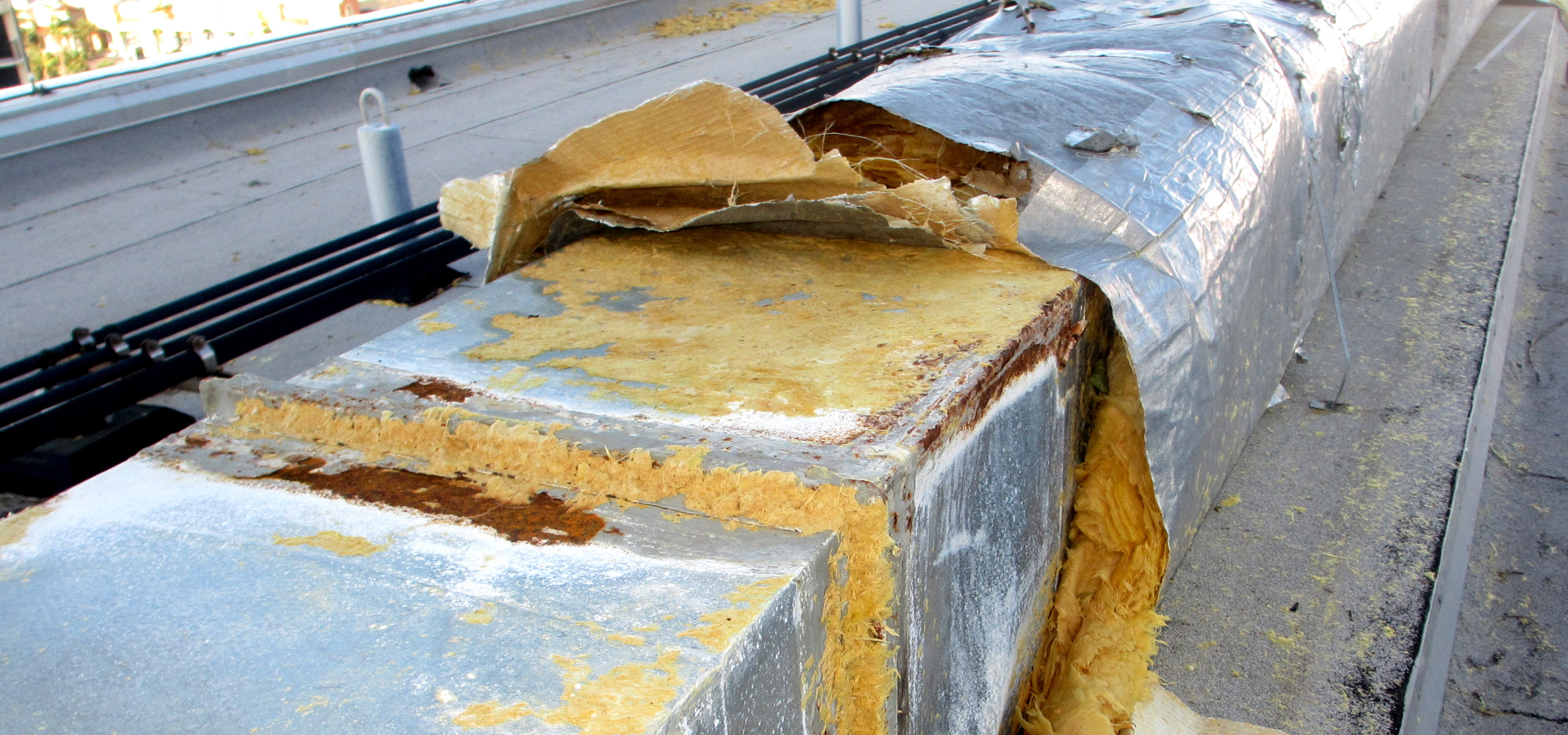
Business leaders can benefit from understanding the importance of humidity and temp control when shutting down, upgrading, or replacing commercial air handling units. Making changes to the air handling unit is often an attempt at improving the economics and operational efficiency of the enterprise. Depending on the nature of the business, most enterprises can’t stay open or sustain profitability without maintaining proper control over temperature and humidity.
Temp and Humidity Control for Perishables
Les systèmes de chauffage, de ventilation et de climatisation (CVC) représentent actuellement environ 40 % de toute l'électricité utilisée dans la plupart des bâtiments commerciaux. Pour les entreprises traitant des aliments, des boissons et d'autres produits périssables, les niveaux de température et d'humidité doivent généralement rester dans une plage spécifiée à tout moment. Ces types de produits peuvent rapidement s’endommager après avoir été exposés à des températures ou à des niveaux d’humidité hors de leur plage optimale.
The extent of the damages and economic loss is unique to each individual product and develops in correspondence to the amount of time spent outside of the optimum environment. Investing in cooling systems that are independent of the main building’s HVAC system may be best for businesses involved in storing wine, flowers, and other delicacies.
Business owners should also be aware of any additional factors that can compound the risks associated with losing humidity or temp control, such as the lighting and air circulation indoors. Oftentimes, businesses benefit from exploring all the humidity and temperature controls available for whenever the commercial air handling unit is down or being serviced for an extensive period.
Climate Control for the Local Environment
The importance of humidity and temp control when a commercial air handling unit is down may also be heavily impacted by environmental factors unique to the region. The higher levels of humidity in the Southeast, the Midwest, and the Northeast can present additional challenges for sustaining cooler temperatures during the summer months.
Les propriétaires d’entreprises de ces régions du pays bénéficient de la compréhension que gérer l’humanité est généralement plus difficile que le contrôle de la température. Avec les températures chaudes du Sud-Ouest, l'air intérieur devient excessivement sec et le taux d'humidité est faible. Des niveaux élevés de chaleur sèche à l'intérieur peuvent aggraver des problèmes de santé tels que l'asthme et les allergies. En revanche, lorsque les niveaux d'humidité sont trop élevés à l'intérieur, les bactéries et les moisissures nocives sont plus susceptibles de prospérer.
Humidity Control from High-Efficiency Systems
Businesses throughout a wide range of industries depend heavily on high-efficiency commercial units to help maintain desired humidity levels around the clock. Those operating in the service sector rely on these units to control humidity levels and provide a comfortable environment for their guests.
Aside from preventing considerable temperature fluctuations, commercial handling units also help prevent humidity from building up in the air. Without the constant air conditioning provided by these high-efficiency systems, the stagnant, humid air becomes a catalyst for hazardous mold growth indoors.
The time of year, local humidity levels, and shelf-life of the items inside are some of the main factors dictating how critical humidity and temperature control can be for a business. When attempting to achieve your desired level of climate control, it’s best to understand the dynamics of how humidity and temperature affect each other.
Partager ceci :


 BOLT™ Connexion