
Special Considerations for Commercial Buildings
Commercial buildings have some key differences from single-family homes. One of the most basic differences is the sheer size of the building. Commercial spaces can range from individual storefronts to high-rise apartment buildings to warehouses spanning hundreds of thousands of square feet. The larger size of these buildings can mean an increased volume of water demand and can make it more difficult to spot small problems before they become big ones.
When water leaks, gravity will pull it toward the ground through any free path the water can find. Depending on the construction of the building and the location of the leak, this could be straight down through a wall cavity or elevator shaft, or it could be across a ceiling space and into other, more distant parts of the building. The larger a building is, such as a high-rise, the more complicated it could be to locate, stop and repair a major leak.
Most leaks and damage are preventable, but a property manager needs to be aware of the most common causes and how to address them. Here are some of the most common sources of water damage in commercial and high-rise buildings:
- Plumbing clogs
- Pipe leaks
- Inefficient appliances (washing machines, dishwashers) stressing the system with high water demand
- Poor implementation of safety valves
- Bad plumbing habits, including flushing inappropriate materials and using caustic chemicals to clear clogs
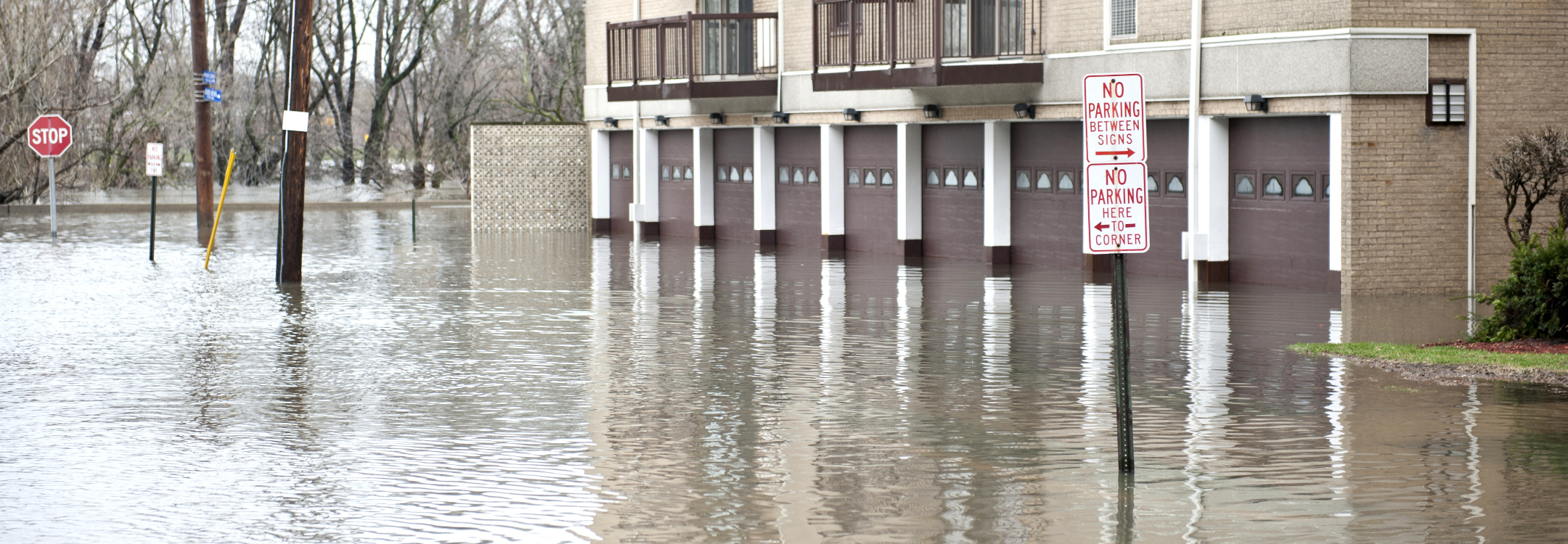
- Natural disasters such as storms and floods
Categories of Water Damage
When it comes to water damage, there are three categories to know. These categories are based on the source of the water and the potential for harm that it carries.
- Category 1: This is water that has come from a source such as the clean water supply in a building. If addressed within 24-48 hours, most Category 1 water poses a low health risk. However, even clean water can begin to cause mold in as little as 48 hours.
- Category 2: This category is known as “gray water.” This water comes from sources that could have mild to severe contamination, including fire suppression systems, treated cooling water lines and discharge from equipment. Caution should be exercised around Category 2 water. Materials exposed to Category 2 water may not be salvageable.
- Category 3: “Black water” is highly contaminated, dangerous water that carries a significant risk of disease, infection and irreparable damage. Sources of black water include sewers, drain backups and water that has overflowed from rivers, lakes or the sea. Extreme caution should be exercised around Category 3 water. Most materials exposed to Category 3 damage will likely need to be replaced.
Partager ceci :


 BOLT™ Connexion