
Understanding the Impact and Risk of Water Damage on Hawaii’s Properties
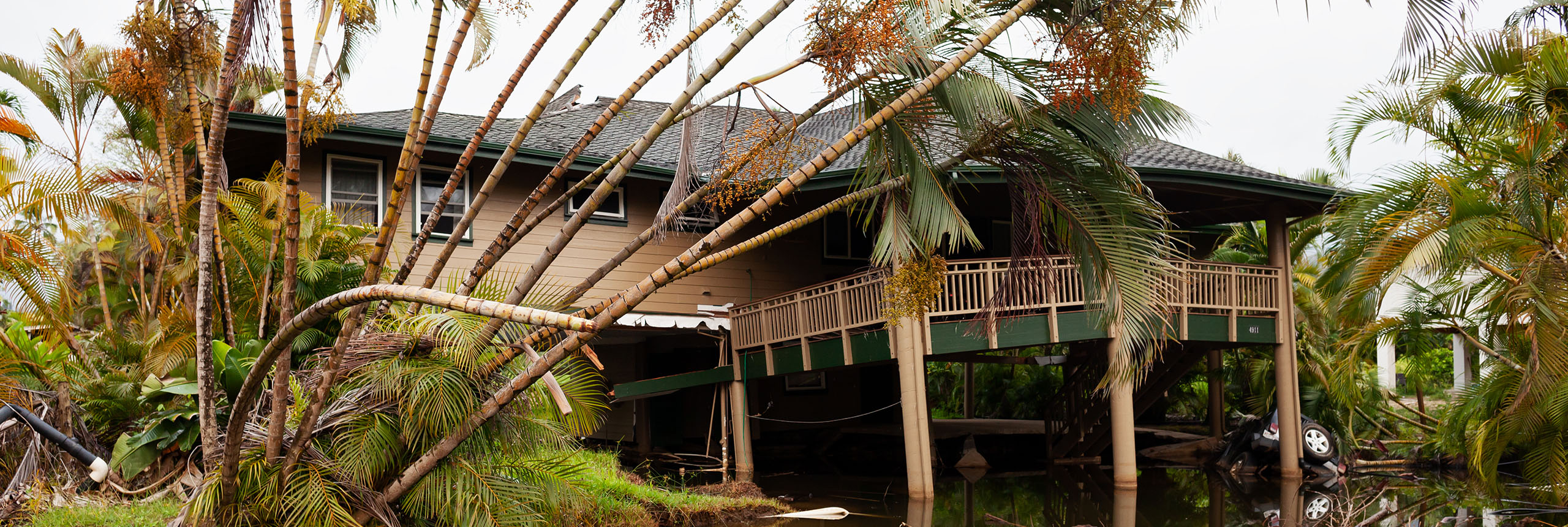
If there’s one thing we have an abundance of in Hawaii, it’s water. Our tropical climate is no stranger to heavy rain, flash flooding, and the potential for a destructive hurricane season. These elements, along with the unexpected pipe burst or plumbing issue, can result in significant damage to both commercial and residential properties that call our islands home. The impact of property damage is often devastating, causing life to be put on hold as you navigate putting it all back together.
L'intervention idéale lors d’un incident de dégâts d’eau est immédiate. Dès que vous remarquez quelque chose d’anormal, comme une moquette mouillée ou une fuite au plafond, vous devez agir immédiatement. Pourquoi? En effet, l’eau se déplace rapidement et peut causer des dégâts importants avant même que vous ne vous rendiez compte qu’il y a un problème. Explorons les causes des dégâts d’eau ici à Hawaï et partageons quelques-uns des défis auxquels vous pourriez être confronté.
Causes of Water Damage in Hawaii
Flood and Storm Damage
The tropical nature of our islands make heavy rainfall a common occurrence. Flash flooding can cause water to infiltrate properties through windows and doors, cracks in the foundation, and can come up through sewers and drainpipes.
Roof Damage
Our heavy storms, wind, and potential hurricanes can damage roofs and create spaces for water to leak into properties.
Humidity
On Hawaii’s humid days, the potential for condensation buildup on walls, windows, and ceilings creates the perfect environment for water damage and mold growth.
Plumbing
One of our most common occurrences comes from plumbing problems. Pipes age, and corrode, causing them to break and flood properties with water.
Risks and Effects of Water Damage
Structural Damage and Content Loss
Damage caused by water can range depending on the severity of the event, but often water will find its way to any place in your building that it can. This increases the risk to the building’s structural integrity, puts contents within the space at risk, and once water begins to soak and sit, it sets the stage for mold and mildew growth. Let’s take a moment to discuss these challenges further.
Water that impacts your structure can destroy materials like drywall and the wood that holds those walls in place. Wet and destroyed materials must be removed and replaced to ensure a strong future for the property, and this can lengthen the amount of time the space is unavailable for occupants or residents.
When we refer to content loss, we mean items of functional or sentimental value that live within the space where water damage has occurred. Contents that are lost or damaged can cause businesses to lose valuable documents, and homeowners to lose items that carry sentimental value. Both types of loss are hard and can leave a lasting emotional impact. The good news is, if you plan for it, some of these losses can be mitigated.
Mold and Mildew Growth
Once water damage sets in, so does the threat of mold and mildew. Risk of mold growth begins within 24-48 hours of the water damage incident, and if it is untreated, it poses a significant threat to the health and wellness of all occupants that use the space. Once mold has developed, it can release MVOCs or Microbial Volatile Organic Compounds. When these MVOCs make contact with certain people, they can become very sick. Exposure to mold and mildew is often experienced through inhalation, but the fibers can also embed in skin. This is why it’s important to act as soon as your property experiences a water damage incident.
First Onsite’s Water Damage Restoration Services
Water damage happens when you least expect it, and how we react determines the extent of the challenges you may face. Property owners often miscalculate how to react and don’t adequately prepare or know who to call in times of crisis. This is where First Onsite’s Kauai and Oahu branches come in.
Our offices have the appropriate experience, manpower, and equipment to take your property through every stage of recovery. Here is a summary of what you should expect from our team after you call us with a water damage incident.
Disaster Mitigation
This involves the initial assessment of the damage that has or is taking place when we arrive at your site. Our first goal is to identify the cause and extent. Once these factors are determined, we contain the damage to keep it from spreading and work to dry out the affected area.
ASSAINISSEMENT
Une fois les mesures d'atténuation effectuées, nos équipes travaillent rapidement pour enlever les matériaux endommagés par l'eau et les moisissures de la zone touchée, préparant ainsi l'espace pour la troisième et dernière étape.
Reconstruction
First Onsite will estimate and deliver a scope of work based on the needed repairs. Once the scope is agreed upon, materials are ordered, a schedule is put in place, and we our construction team restores your property to its before-crisis state.
Water Damage Preparedness Tips
Depending on the severity of the water damage event, this process can move quickly or slowly. When dealing with natural disasters in the middle of the Pacific Ocean, pre-preparation is a huge contributor to faster response times. Here are a few key water damage tips that will help you react appropriately as disaster strikes.
- Locate your Water Shutoff Valve – Knowing the location of your water shutoff valve is a must. When you see water damage anywhere, your first order of business should be to shut off the water. If you know where this valve is located, you will react faster and lessen the extent of damage.
- Déterminez d’où vient l’eau – Du mieux que vous pouvez, identifiez la source des dégâts d’eau. Parfois, c'est aussi simple que de regarder sous l'évier, et d'autres fois, cela peut être plus difficile à identifier. Dans ces cas-là, pourriez-vous informer un partenaire de restauration comme First Onsite d’où vous pensez qu’elle provient, et nous pourrons trouver la source.
- Keep Occupants Out of Standing Water – Some incidents involving standing water are more dangerous than they seem. Should the water be sitting in a space with electrical outlets, that electric current could move through the water and seriously injure or kill anyone who sets foot in it.
- Call All Parties to Start Recovery – Emergency responders, restoration teams, your insurance provider, and the building manager are some of the potential people that should be informed after you have been impacted by water damage. These are the people that put recovery in motion, and the faster you can do this, the better.
When property damage occurs, it is your responsibility to make sure that qualified professionals are on-site to restore the space. Attempting this process on your own could result in greater problems down the line. Professionals will make sure the work is up to code and that the threat of mold and mildew is eliminated.
Water Damage Prevention
Now you know how to react and what to expect from a water damage emergency. Let’s discuss some prevention tips that could help keep these incidents at bay.
Regular Inspections and Maintenance on Your Plumbing
Leaks, rust, and corrosion happen to old pipes. Checking for these issues and replacing any that are at risk for leaking will save you from greater damage in the future.
Installation of Water Alarm Detection Systems
Having these systems put in your property will alert you of any issues as soon as they arise, giving you the heads up that now is the time to react if you’re going to prevent wide reaching damage.
Cleaning Gutters and Downspouts
Debris blocking your gutters can cause water to overflow and damage your roof, walls, and foundation. If gutter systems run internally through your home or office, check pipe conditions to verify rusts and debris are clear to allow ample drainage during heavy rainfall.
Inspection of Appliances That Use Water
Checking your dishwasher, washing machine, bathroom fixtures, and other appliances where water is essential will prevent leaks from happening in the future. Don’t forget ice makers and water fountains.
Install of a Basement Sump Pump
While most properties in Hawaii don’t have basements, the ones that do should consider a sump pump. Having a place for water to go that is flooding your basement is essential. A sump pump can help prevent this.
Monitoring Water Bills
Is this month’s bill significantly higher than last month’s for no reason? That might be the sign that water is leaking on your premises. Be sure to double check your grounds and property if your bill puzzles you.
Have Resources On Hand
Avec une tempête vient une forte pluie. Avoir votre propriété prête à se défendre avec des ressources à portée de main aide à garder votre terrain protégé contre l'infiltration d'eau sur votre propriété. Que ce soit des sacs de sable, du ruban adhésif et du contreplaqué pour l'arrivée d'une tempête ou des sacs poubelles épais et des gants de protection de niveau 3 pour le nettoyage après une tempête, avoir ce dont vous avez besoin à l'avance permet une mise en place adéquate des défenses et un nettoyage sécuritaire après l'événement. L'argent comptant à portée de main est utile lorsque l'électricité est coupée et que les guichets automatiques et les terminaux de carte de crédit sont en panne. Vérifiez que vous avez les besoins en électricité et en carburant appropriés pour lorsque l'alimentation est coupée à votre propriété.
Reviewing Insurance Coverage
Revisit your insurance coverage yearly to verify you have the coverage you need in case you are faced with filing a claim and having work done. If a storm hitting is imminent document with any before pictures to help with the claim process after the storm hits.
Partager ceci :


 BOLT™ Connexion