
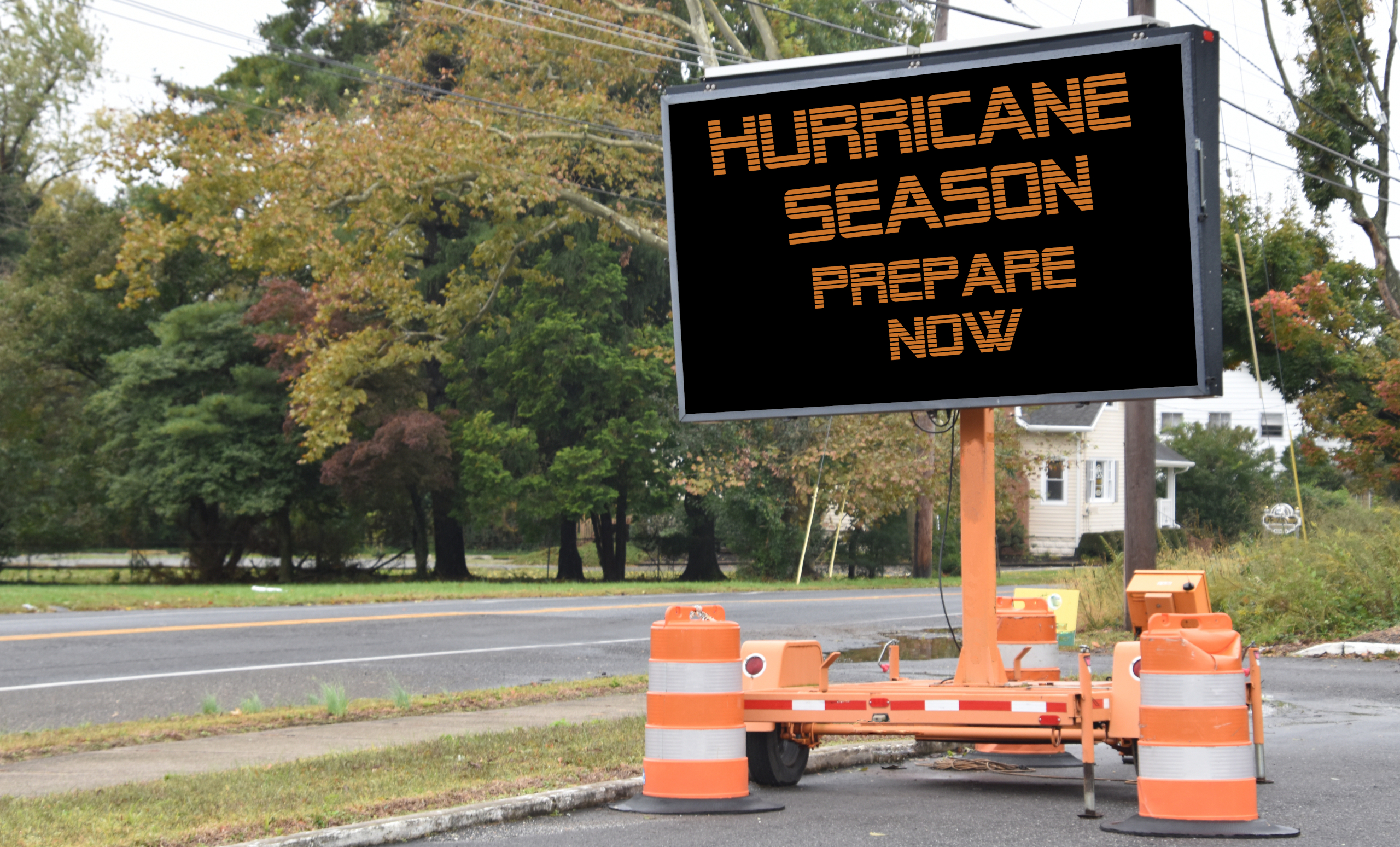
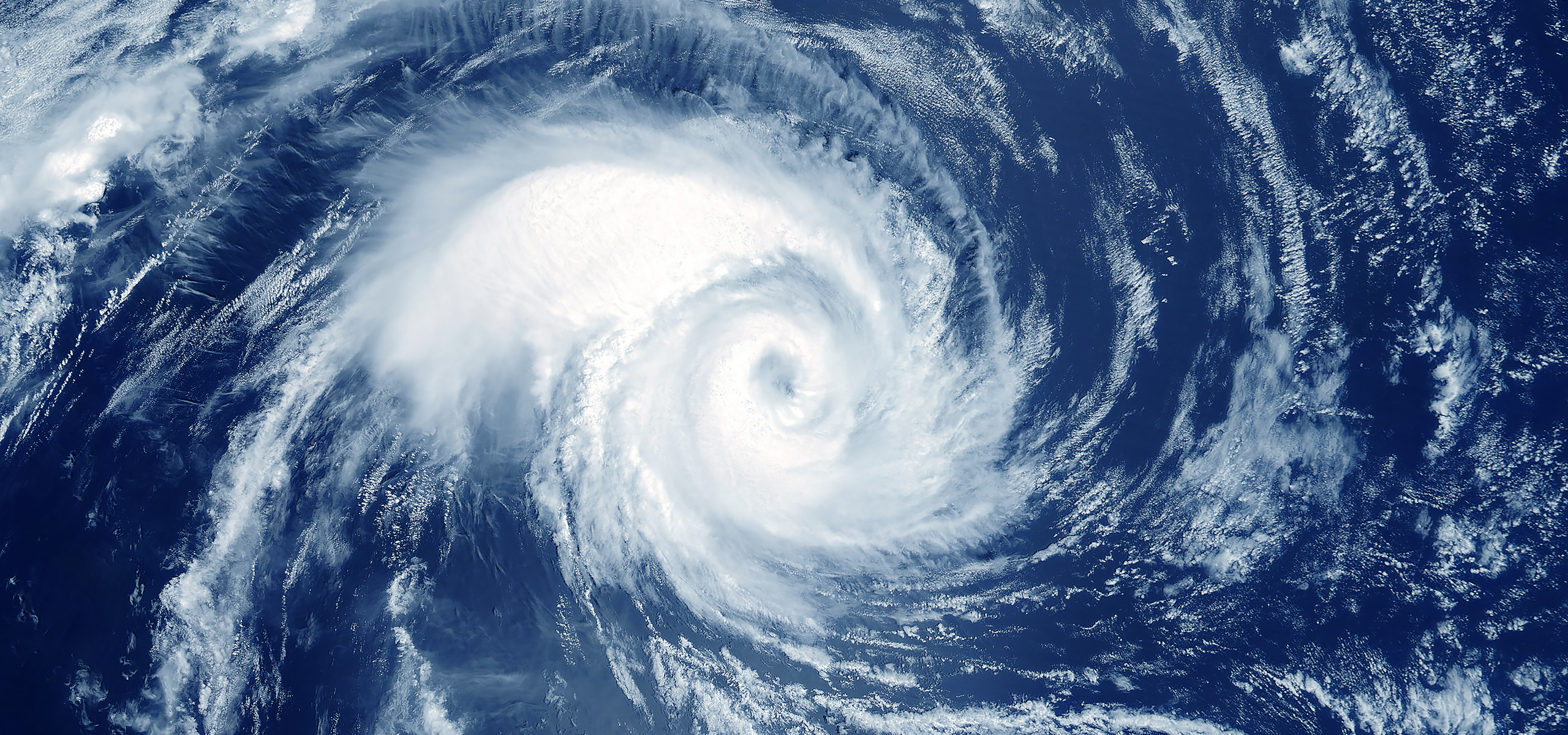
Atlantic hurricane season is upon us, and the latest outlook points to an active year per CSU’s 2026 Atlantic Hurricane Season Forecast. Over 90% of Atlantic hurricane activity occurs between August and October and the forecast estimates 13 named storms, 6 hurricanes, and 2 major hurricanes (Category 3-4-5),
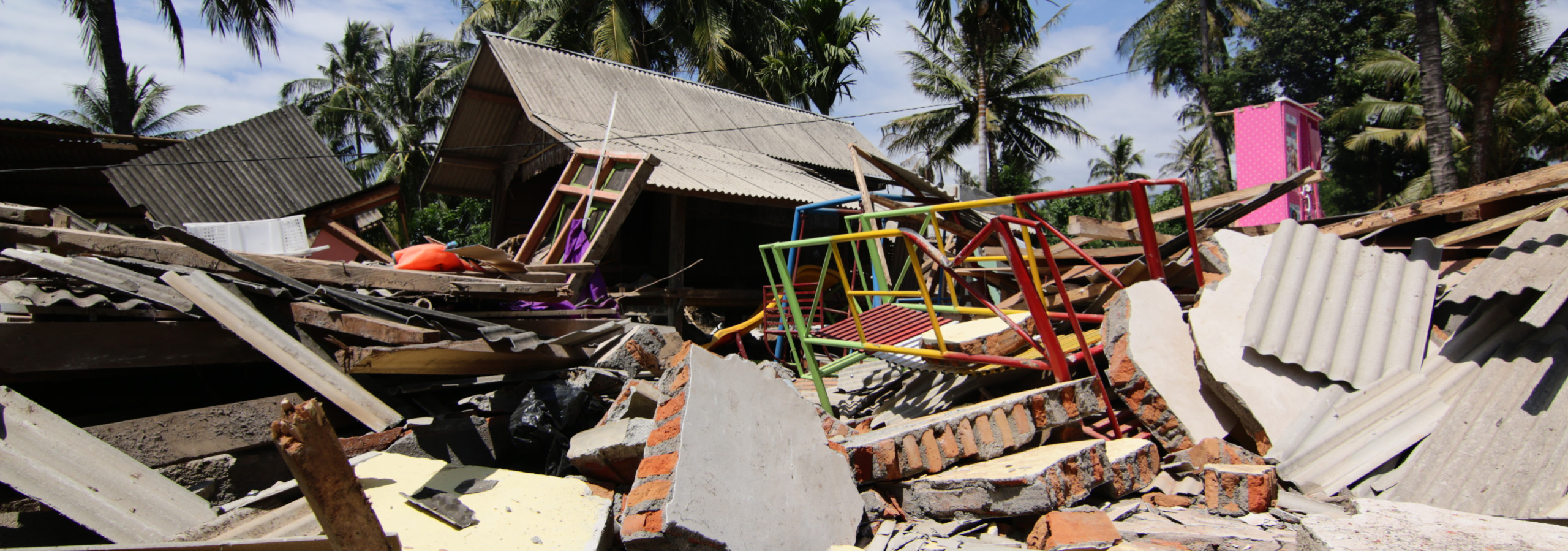
Hurricanes can leave devastation in their path, including a significant number of businesses that can’t reopen because they failed to have a recovery plan in place. Incorporating a structured hurricane preparedness strategy and checklist can help property owners reduce risk, protect occupants, and maintain operations.
For businesses in particular, hurricane preparedness is closely tied to continuity planning, ensuring operations can resume quickly even after a major disruption.
Whether directly on the coast or farther inland, property owners on the Eastern Seaboard should be aware of what a worse-case-scenario looks like. Discover what necessary precautions our professionals recommend that property owners take to reduce their chance of extensive damage and how FIRST ONSITE can help ensure a swift recovery if catastrophe strikes.
Develop a Hurricane Preparedness Plan
Drafting an Emergency Response Plan (ERP) and Disaster Recovery Plan (DRP) are essential hurricane preparedness steps that should be taken by all property and business owners before a storm.
These plans form the foundation of a hurricane preparedness checklist and support broader business continuity planning efforts. They should cover everything from employee and customer safety to strategies to maintain business continuity. It’s easy to connect with FIRST ONSITE to customize and determine how these plans fit into a business owner’s hurricane preparedness arsenal.
A business’ ERP, at its least, should cover:
- Employee responsibilities (who shuts off utilities, who barricades doors and window, etc.)
- An evacuation route for employees and customers
- Procedures for keeping track of employees and customers
- Where emergency equipment and supplies are located
- Key contact information (first responders, hospitals, insurance brokers, etc.)
A business’ DRP, at its least, should cover:
- If temporary power or a temporary facility is needed
- If an emergency-access letter or master service agreement is needed (so service providers can access the facility and restoration contractors can begin remediation work as quickly as possible)
- Critical contact info and directions for suppliers, vendors, and other partners
- Security needs (camera monitoring, physical security, fencing, barricades for windows and doors, etc.)
- A business continuity plan (which outlines, amongst other things, what systems and personnel are needed where and when)
A well-developed hurricane disaster recovery plan helps ensure that businesses can respond quickly, minimize operational downtime, and maintain critical functions following a storm.
At the heart of any business’ recovery plan should be a continuity strategy for how the business is going to continue to function after disaster strikes. FEMA states that 40% of small businesses won’t reopen after a natural disaster and an additional 25% of small businesses will close within a year after their reopening. Worse yet, 75% of businesses without a continuity plan will fail within three years of a natural disaster. While our hope is that businesses can continue to operate normally during and after a natural disaster, every business should prepare a plan for the worst-case scenario.
Research shows a significant gap between intention and action: while over half of Americans say they feel prepared for a disaster, only 13% have actually documented a written plan. (Survey: First Onsite / Angus Reid Group – 1,007 US adults, March 2026. All figures are national totals unless noted.) For businesses, the stakes of that gap are especially high.
Practice the Plan
In a natural disaster, everything can change in an instant. While having a plan is critical, stress-testing that plan is almost more important. Consider this: only 36% of Americans say their employer has clearly communicated a disaster plan. (Survey: First Onsite / Angus Reid Group – 1,007 US adults, March 2026. All figures are national totals unless noted.) That means most employees walk into an emergency without knowing what to do, who to call, or where to go. Practicing your plan closes that gap and gives your team the confidence to act decisively when it matters most. Various response scenarios should be devised and tested before an event, because in a natural disaster, truly anything can happen. This level of preparation is especially important for business hurricane preparedness, where operational continuity and employee safety must be carefully coordinated.
A hurricane can change directions at a moment’s notice, preventing first responders from being immediately available to access certain regions. A hurricane can fluctuate in intensity and speed, affecting when and how evacuation procedures are executed. Suffice it to say, being able to adapt swiftly to a fluid situation can sometimes be the difference between life and death.
As part of your response strategy, remember to clarify which employees are needed on-site leading up to a storm and who should stay at home. It’s also important to ensure that the employees essential to keeping the business running understand what they are accountable for both as the storm approaches as well as after it hits. A plan serves no good if no one knows about it!
Prepare the Property
The beginning of storm season is the perfect time to thoroughly inspect your property, not only to gain an understanding of what needs to be fortified if a hurricane strikes, but what may have to be repaired to protect the structure itself. It is also imperative that an owner makes sure the property is clean of debris, ensures fuel tanks are full, equipment is covered, critical documents are protected, data systems are backed up, and ample materials, such as plywood and aluminum paneling, are available to protect windows and doors.
Workplace Hurricane Preparedness Kit
While historically the ability to predict hurricane activity was an inexact science, in recent decades, the accuracy of hurricane tracking has improved tremendously. Still, many businesses choose to (or must) stay open when a hurricane moves into their area. For these moments, a hurricane preparedness kit is essential for worker wellness and sometimes even survival.
A hurricane preparedness kit is a collection of basic supplies a workplace may need in the event of an emergency. This kit is a critical part of any hurricane preparedness checklist and should be reviewed and updated regularly.
It’s best to shop for items well in advance of disaster, as supplies may be limited or out of stock when it strikes. It may also be unsafe to leave the workplace in the wake of a hurricane, so survival may very well be determined by how robust this kit is.
There is no such thing as being “too prepared.” Hurricanes can cut off access to power, water, phone coverage, and more, often for weeks at a time. It may take hours to days for local relief workers to be on the scene and able to provide support for everyone.
Coordinate with the Community
Researching the community response plan to understand how organizations such as emergency responders, utility companies, and hospitals will react to hurricane scenarios may be a good idea for facility managers and owners. They should make note of anything that could be important when a big storm hits, such as where shelters will be located and how areas will be evacuated.
It is also imperative that business owners consider how supply chains may be upended by a hurricane and develop contingency strategies with suppliers and partners. These efforts are a key component of business continuity planning during hurricane season.
Temporary power or a temporary facility can easily be arranged by FIRST ONSITE if circumstances prevent a business from completely shutting its doors during a major storm.
Hurricane Preparedness When The Storm Is Coming
Track the Weather and Stay Alert
Every storm is different and will present new, unforeseen challenges. Staying informed allows property owners and businesses to adapt quickly and respond effectively. It’s imperative to stay updated on the latest conditions, on how fast the storm is moving, and what the latest forecasts are saying. Safety is always more important than any property, so be sure to leave enough time to get out of harm’s way! Storms move fast and change directions quickly, so staying alert is the best precaution anyone can take.
Bracing for the Storm
When a hurricane approaches, we kick into high gear. By monitoring the weather and making the appropriate preparations in advance, we remain one step ahead of the storm and one step closer to recovery.
Thorough Pre-Planning
FIRST ONSITE coordinates with property owners before disaster strikes to make sure they’re ready. By creating ERPs and DRPs, doing property walk-throughs, collecting contact information, and signing Emergency Access Letters and Master Service Agreements, we can assure property owners that they’ll be our first priority when the demand for our talent and resources is high.
Tracking the Storm
Having local teams backed by the power of a national organization gives us the leading edge in hurricane response. Resources can be scarce during a time of emergency, but not for us. Our local teams’ access to national tools, supplies, and labor gives us the ability to handle multiple projects simultaneously while still providing personal attention to each.
When we see that a storm is approaching land anywhere in the United States, we assemble an Incident Command Team, responsible for formulating a nationwide strategy and response. From this team we assign breakout teams, tasked with implementing the mobilization and logistics of our strategy on a local level. These local teams coordinate staging areas for our trucks and generators, organize hotels for our staff, and locate temporary warehouses to store materials and equipment. They also figure out how to provide everyday needs such as internet access, food for employees, and ice to keep food and water cold — necessities that are very difficult to source during a natural disaster.
Because of all this preparation, when a storm hits land, we’re ready to go. We’ve already positioned ourselves with what we need to get things back up and running quickly, and will be ready to assist in our customers’ recovery at a moment’s notice.
Managing the Aftermath for business continuity
From the moment we arrive at a loss site, we start taking steps to control the situation, mitigate damage, and implement a long-term recovery strategy. Whether we’re extracting water, rebuilding foundations, or restoring belongings, we’ve got the teams for the job.
Emergency Mitigation
The longer flood water is present in a property, the more damage it can cause to pipes, insulation, flooring, and structural integrity. Standing water and excess moisture can also increase the risk of microbial growth, including mold, which can develop within 24–48 hours in the right conditions. That concern is shared widely:
74% of people report being worried about hidden damage, such as mold or structural issues, following severe weather. (Survey: First Onsite / Angus Reid Group – 1,007 US adults, March 2026. All figures are national totals unless noted.)
Those concerns are well-founded, and they’re exactly why rapid, professional assessment is so critical after a storm.
Worst of all, standing water can lead to the spread of highly contagious illnesses. Microbial growth in water-affected areas can be a significant risk, so our certified experts move fast to identify and address the possibility of mold-related problems. Our state-of-the-art dehumidification and moisture mapping technology gives our team the leading edge on locating and removing excess water quickly.
Drying
Rapid drying and dehumidification are critical to preventing secondary damage and supporting a faster recovery timeline. Once the floodwater is contained and the site is safe to operate in, our team will begin to implement our thorough drying and decontamination processes. FIRST ONSITE’s nationwide network means we have the capability to bring our advanced equipment and robust stable of technicians directly to any hurricane site, even when resources are scarce.
Restoration and Recovery
Once the immediate threat is contained, we’ll identify and combat any hurricane-caused issues. Our certified professionals can tackle everything from tree removal and debris cleanup to equipment and document restoration, helping properties return to normal operations as quickly as possible.
Frequently Asked Questions
What should be in a business hurricane preparedness kit?
A business hurricane preparedness kit should include a battery-operated radio with extra batteries, a three-day supply of non-perishable food and water (at least three gallons per person), flashlights, a first aid kit, a manual can opener, a solar charger, dust masks, local maps, blankets, and emergency shelter materials like plastic tarps and duct tape. Review and restock the kit at the start of every hurricane season. Read more about building a kit here.
What is a hurricane disaster recovery plan and why does my business need one?
A hurricane disaster recovery plan (DRP) outlines exactly how your business will resume operations after a storm. It covers temporary power and facility needs, supplier and vendor contacts, security protocols, and the business continuity steps required to get systems and personnel back online. FEMA data shows that 75% of businesses without a continuity plan will fail within three years of a natural disaster, making a documented DRP one of the most valuable investments a property owner can make before hurricane season begins.
How long does hurricane damage restoration take?
Timelines vary depending on the severity of the damage, the size of the property, and how quickly mitigation begins. Minor water damage may be resolved in a matter of days, while significant structural damage, mold remediation, or full reconstruction can take weeks to months. The single biggest factor in a faster recovery is speed of response. The sooner a certified restoration team is on-site to extract water, begin drying, and assess hidden damage, the shorter the overall timeline tends to be.
What should facility managers do to prepare their buildings for hurricane season?
Facility managers should inspect building envelopes for vulnerabilities, clear roof drains and gutters, confirm that emergency equipment is functional, and ensure backup power systems are serviced and ready. Equally important is the communication side: only 36% of Americans say their employer has clearly shared emergency protocols with them. (Survey: First Onsite / Angus Reid Group – 1,007 US adults, March 2026. All figures are national totals unless noted.) Documenting and distributing your Emergency Response Plan before storm season starts, with designated roles for each team member, closes that gap and keeps your workforce informed and ready to act.
How do I know if my building has hidden hurricane damage?
Visible damage after a storm is just the starting point. Hidden damage, including mold growth inside walls, compromised insulation, weakened structural connections, and moisture trapped in flooring systems, often goes undetected without professional assessment. Warning signs include musty odors, warping or buckling surfaces, discoloration on ceilings or walls, and doors or windows that no longer close properly. A certified restoration contractor can use advanced moisture mapping and thermal imaging technology to identify damage that a visual inspection alone would miss.
Unwavering Support after hurricane damage
With FIRST ONSITE, when the water rises, we rise to the occasion. On call 24 hours a day, 365 days a year, we’re here for you when time is of the essence. Whether with planning, mitigation, or recovery, our goal is to help you stay prepared and resilient throughout hurricane season.
Learn more about how to strengthen your hurricane preparedness strategy or connect with our team.
Share This:


 BOLT™ Login